
Improving Your Pickleball Game: Top‑10 Tips and Where to Learn Them
- Adam Fritsch
- Aug 4, 2025
- 9 min read

Pickleball’s explosive growth has attracted new players and created a huge library of instructional content. After reviewing instructional articles from recent years and synthesizing advice from professional coaches and top players, this report outlines ten essential actions to elevate your pickleball game. For each tip, relevant video resources from leading YouTube channels are suggested.
1. Serve Deep and Consistently
The serve initiates every rally and sets the tone for the point. A deep, underhand serve that stays in is far more valuable than an occasional ace. Coach Peter Hoopis stresses keeping a loose grip, making contact below your waist with the paddle head lower than your wrist, and finishing the swing over your opposite shoulder peterhoopis.com. Varying placement and speed, while still hitting deep into your opponent’s court, keeps them off balance peterhoopis.com.
Practice/drills: Develop a pre‑serve routine and practice drop serves and bounce serves until your motion is automatic. Aim two‑to‑three feet inside the baseline to reduce unforced errors peterhoopis.com.
Suggested videos:
“5 Pickleball Tips to Get Really Good” (channel: Briones Pickleball) – covers grip, serve depth and variability.
“2025 Top 10 Pickleball Tips to Beat 99 % of Players” – includes serving routines and placement.
2. Control the Return of Serve
Your first return should neutralize your opponent’s serve and allow you to reach the non‑volley zone. Hoopis recommends staying in a ready position 2–3 feet behind the baseline with knees slightly bent peterhoopis.com. Use a compact backswing and aim your return deep down the middle to force your opponents to decide who takes the next shot peterhoopis.com. After striking, immediately advance to the kitchen line; higher returns provide more time to get there peterhoopis.com.
Practice/drills: Stand behind the baseline and have a partner serve to you; practice deep returns down the middle and work on reaching the non‑volley zone before the third shot.
Suggested videos:
“Improve Your Pickleball Return in 60 Seconds” (APP Tour channel).
“WIN More Pickleball Games in 2025 With These Strategies” – emphasizes deep returns and court positioning.
3. Learn Both Third‑Shot Drive and Third‑Shot Drop
After the serve and return, the third shot determines whether the serving team can transition to the net or remains on defense. In many situations a drive—a fast, low shot—neutralizes the opponent’s return and allows you to approach. Use a firm but not overly hard swing, step into the shot, and target backhands or down the middle peterhoopis.com. When the return is low, choose a drop instead: a soft shot that arcs into your opponent’s kitchen. Peter Hoopis notes that cross‑court drops take advantage of the net’s low point and should land low in the kitchen peterhoopis.com. Selkirk’s coaching article explains that a successful drop is hit from the shoulder rather than the wrist; a firm wrist helps maintain a single hinge point selkirk.com. A longer follow‑through than a dink propels the ball the necessary distance selkirk.com, and proper footwork—setting up near the baseline and moving your feet to position behind the ball—is essential selkirk.com.
Practice/drills: Practice third‑shot drives on high returns and third‑shot drops on low returns. Use wall drills or partner feeds to build muscle memory. Mix drives and drops to keep opponents guessing selkirk.com.
Suggested videos:
“10 Tips to Perfect Your 3rd Shot Drop!” (PrimeTime Pickleball).
“Master the 3rd Shot Drop in 2025” (Pickleball Studio).
“The 3rd Shot Drop Is SO EASY When You Know This…” (Tyson McGuffin channel).
4. Master the Dink
Dinking—soft, controlled shots hit at the non‑volley line—is fundamental to building points and forcing errors. Hoopis reminds players to keep a short backswing, contact the ball in front of your body and lift gently from the shoulder rather than flicking the wrist peterhoopis.com. Shuffle your feet instead of crossing them to maintain balance and efficient coverage peterhoopis.com. Hold the kitchen line to apply pressure and use dinks both defensively and offensively peterhoopis.com.
Practice/drills: Exchange 50 consecutive dinks with a partner without hitting the net or going out of bounds picklerage.com. Vary depth and cross‑court angles to practise both offensive and defensive dinks.
Suggested videos:
“2025 Dink Techniques (The LATEST) – Learn from the Pros” (Better Pickleball).
“Learn the NEW Way to Dink in 2025 (Create Offense!)” – teaches apex dinks and volley dinks.
5. Improve Your Volley Skills
Most rallies are decided at the net. A good volley, whether a block or a punch volley, allows you to control the pace and keep your opponents on defence. Hoopis advises keeping your paddle out front, knees slightly bent, and using a loose grip to absorb impact peterhoopis.com. Contact the ball in front of your body and aim to hit down the middle, at your opponent’s feet, or at their weaker side (often the backhand) peterhoopis.com. Avoid swinging too hard; controlled volleys reduce unforced errors peterhoopis.com.
Practice/drills: Rally with a partner using only volleys. Focus on quick reactions and soft hands. Practice block volleys on fast incoming shots and punch volleys on attackable balls.
Suggested videos:
“How to Volley Like a Pro – Pickleball Volley Fundamentals” (Pickleball Channel).
“Pickleball Volley Control Drill” (Better Pickleball).
6. Use the Offensive Lob Wisely
While lobs are often defensive, an offensive lob can surprise opponents and create easy put‑away opportunities. Hoopis explains that an offensive lob is hit when both teams are at the non‑volley line; the ball should go over opponents’ heads and land deep peterhoopis.com. Hide your intention until the last second and use the sun or lighting to your advantage peterhoopis.com. Avoid letting the ball drop too low before lobbing; you must get under the ball to lift it high peterhoopis.com.
Practice/drills: Practice lobs from the kitchen line during dink rallies. Aim high and deep. Work on disguising your shot until the last moment.
Suggested videos:
“Offensive Lob Secrets for Pickleball” (That Pickleball Guy).
“The Defensive & Offensive Lob – When and How to Use It” (Pickleball Kitchen).
7. Develop a Reliable Overhead Smash
An overhead smash turns high balls into winners but can also produce errors if executed poorly. When retrieving a lob, move back sideways rather than backpedalling to avoid tripping peterhoopis.com. Keep your non‑paddle hand pointing at the ball to aid alignment and swing with full extension, following through across your body peterhoopis.com. Rotation of the hips and shoulders generates power peterhoopis.com.
Practice/drills: Have a partner feed lobs while you practise moving back correctly and executing overheads. Focus on footwork and contacting the ball at its highest point.
Suggested videos:
“How to Hit a Winning Overhead in Pickleball” (PrimeTime Pickleball).
“Overhead Smash Fundamentals” (McGuffin Pickleball Club).
8. Master the Transition Zone (No‑Man’s Land) With a Split Step
The stretch of court between the baseline and the non‑volley zone is often labeled “no‑man’s land,” but calling it that suggests you should never be there. In reality you must traverse this transition zone every time you move up to the kitchen. PlayPickleball notes that referring to it as “no man’s land” is a mistake; when moving from the baseline to the kitchen you will have to hit shots in that area before advancing playpickleball.com. The goal is not to camp there, but to use it as a stepping stone—hit your shot from mid‑court and then continue to the non‑volley line playpickleball.com.
A common error is sprinting forward after a drive or drop, which causes you to lose control of your footwork. Instead, PlayPickleball recommends taking a split step—a small hop landing on a wide base with knees bent—to stabilize your body after you hit and before your opponent strikes playpickleball.com. USA Pickleball defines the split step as a short hop taken just as your opponent contacts the ball; it puts you on the balls of your feet with weight evenly balanced so you can move in any direction usapickleball.org. This balanced hop stops your forward momentum as you transition toward the kitchen, allowing you to reset the ball effectively and change direction quickly usapickleball.org. Timing is critical: start the hop just before your opponent hits so you are airborne during their swing and back on the ground as the ball leaves their paddle usapickleball.org. Executing the split step correctly helps you avoid being caught off‑guard and improves your reaction time when balls are fired at your feet usapickleball.org.
Beyond the split step, good fundamentals make the transition zone manageable. Stay under control—move forward with quick but balanced steps and avoid hitting while running thepickler.com. Keep your paddle out in front, bend your knees and get low thepickler.com. Contact the ball in front of your body with an open paddle face to lift low balls over the net playpickleball.com. Give your reset shots some loft rather than trying to skim the net; a higher arc gives you and your partner time to defend playpickleball.com. When playing doubles, stay linked with your partner so there are no depth gaps thepickler.com. The Pickler adds that moving in under control often requires a split step or split stop in the transition area; many errors occur because players rush through this zone thepickler.com. Practicing there builds comfort and turns “no‑man’s land” into an opportunity zone thepickler.com.
Practice/drills: Work on transition resets by starting a few steps inside the baseline while a partner stands at the kitchen line and feeds balls at your feet; focus on getting low, opening your paddle face and lifting the ball back into the kitchen. Combine this with footwork drills that incorporate split‑step timing. Practice hitting a drive or drop and immediately performing a split step before advancing again. To build confidence, drill from both positions—mid‑court and non‑volley line—so you become comfortable playing from the transition zone thepickler.com.
Suggested videos:
“How to Transition to the Kitchen Without Getting Picked Apart” (Pickleball Pirates).
“No‑Man’s Land Mistakes and How to Fix Them” (Zane Navratil channel).
“Perfect Your Pickleball Footwork in the Transition Zone” – video focusing on using the split step and staying under control in mid‑court.
9. Build Sound Footwork, Grip and Fitness
Solid fundamentals support every stroke. PickleRage’s article highlights that your grip affects control and topspin: most players use the continental grip (handshake grip) for smooth transitions, while eastern and western grips can add topspin but require adjustments picklerage.com. Footwork fundamentals include staying on the balls of your feet, keeping knees slightly bent, taking small balanced steps and resetting to the ready position after each shot picklerage.com. Good footwork allows you to anticipate shots and stay in position picklerage.com. Physical conditioning—agility drills, strength training, cardio and flexibility—improves movement speed and endurance picklerage.com.
Practice/drills: Incorporate ladder drills, side shuffles, squats, lunges and dynamic stretching into your off‑court routine picklerage.com. Practice split‑step and lateral movement patterns during rallies 11pickles.com.
Suggested videos:
“Pickleball Footwork Drills for Quickness and Balance” (Pickleball Kitchen).
“Strength & Agility Exercises for Pickleball Players” (Better Pickleball).
10. Communicate and Strategize With Your Partner
In doubles, communication and teamwork often decide who wins. PickleTip’s guide recommends using hand signals such as an open palm to signal a switch, a fist to hold position and pointing to indicate balls that are in or out pickletip.com. Clear verbal cues like “mine,” “yours” or “leave it” prevent collisions and confusion pickletip.com. Develop a shared vocabulary, practice together and maintain a positive attitude to enhance trust and morale pickletip.com. Designating a primary “caller” can streamline decision making and reduce conflicts pickletip.com. Non‑verbal cues such as eye contact, nods and body posture also help synchronize movement and tactics pickletip.com.
Practice/drills: During drilling sessions, over‑communicate every ball (“mine,” “switch,” “leave”). Use timeouts or side‑changes to discuss strategies and adjustments. Agree ahead of time on who covers lobs or middle balls.
Suggested videos:
“Top Communication Tips for Doubles Pickleball” (Briones Pickleball).
“How to Be a Great Partner in Pickleball” (Pickleball Pirates).

Recommended YouTube Channels and Video Resources
To deepen your understanding of the above tips, explore dedicated pickleball channels that provide free instruction, drills and match analysis:
Category | Recommended Channel/Video | Reason & Content |
Overall instruction | PrimeTime Pickleball pickleheads.com | Led by IPTPA‑certified coach Nicole Havlicek; provides technical breakdowns of strokes, strategy, positioning and footwork. |
Pickleball Channel pickleheads.com | One of the oldest channels; offers highlight videos and full match replays alongside instructional segments. | |
Better Pickleball pickleheads.com | Geared toward players over 50; includes serve tips, mistake correction and a live “Pickleball Therapy” Q&A. | |
Serving & return | “Improve Your Pickleball Return in 60 Seconds” (APP Tour) | Short video focusing on deep returns and footwork. |
“Five Tips to Elevate Your Serve” (Roscoe Bellamy via Pickleball.com) | Teaches grip, contact point and follow‑through for a powerful serve (external article summarises YouTube video). | |
Third‑shot drive/drop | Pickleball Studio and Briones Pickleball theslicepickleball.com | Channels that offer detailed tutorials on third‑shot options. Videos like “Master the 3rd Shot Drop in 2025” and “10 Tips to Perfect Your 3rd Shot Drop!” give step‑by‑step guidance. |
Tyson McGuffin channel theslicepickleball.com | Professional player Tyson McGuffin’s channel provides drills and analysis for drives, drops and winning points. | |
Dinking & net play | Better Pickleball and Pickleball Kitchen pickleheads.com | Offer dinking drills, volley control exercises and strategy sessions. |
Fitness & footwork | “Pickleball Footwork Drills for Quickness and Balance” (Pickleball Kitchen); “Strength & Agility Exercises for Pickleball Players” (Better Pickleball) | Demonstrate ladder drills, shuffles, core exercises and mobility work. |
Strategy & match analysis | The Kitchen pickleheads.com | Provides entertaining play‑by‑play breakdowns and commentary, helping players understand shot selection and strategy. |
Zane Navratil channel theslicepickleball.com | Co‑host of the PicklePod; presents humorous yet insightful tips, including defensive lobs and strategic deception. | |
Partner communication & teamwork | “Top Communication Tips for Doubles Pickleball” (Briones Pickleball); “How to Be a Great Partner in Pickleball” (Pickleball Pirates) | Focus on hand signals, court coverage and maintaining a positive partnership. |
Conclusion
Improving at pickleball involves more than just playing more games. Consistent practice of fundamental techniques—serving, returning, third‑shot drives and drops, dinking, volleying, lobbing and overheads—combined with proper footwork, physical conditioning and good communication will raise your level quickly. The cited articles provide detailed explanations of each skill and emphasize the importance of drilling and intentional practice
. Supplement your learning with instructional videos from reputable YouTube channels to see demonstrations and match situations. With deliberate practice and the right resources, you can refine your technique, play smarter and enjoy the fast‑growing world of pickleball.


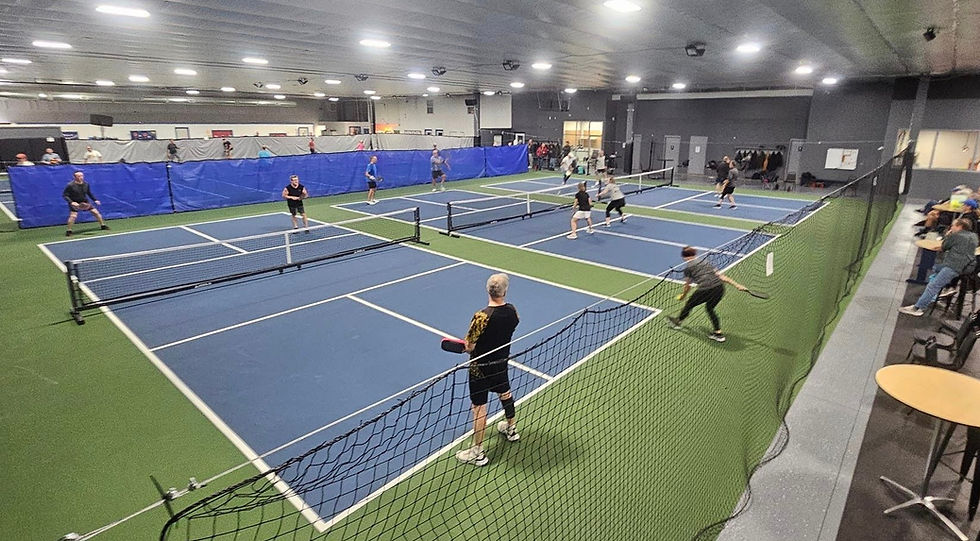
These aren’t just tips—they’re habits that separate casuals from competitors—says founder of Strokess